Product News
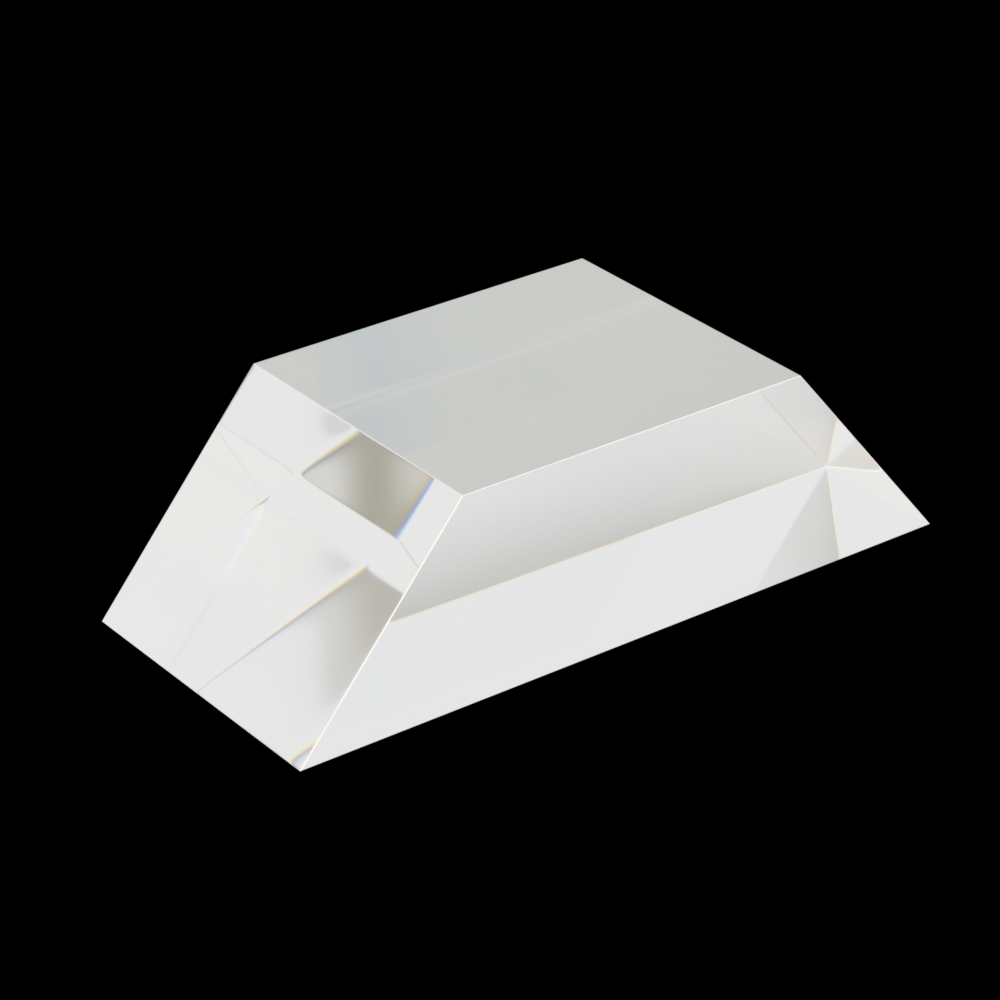
Introduction and processing capability of Dove prism
Dove prism is a kind of reflection prism for reversing images, which is used for rotating imaging in various optical-mechanical systems. It is mainly used

Dove prism is a kind of reflection prism for reversing images, which is used for rotating imaging in various optical-mechanical systems. It is mainly used
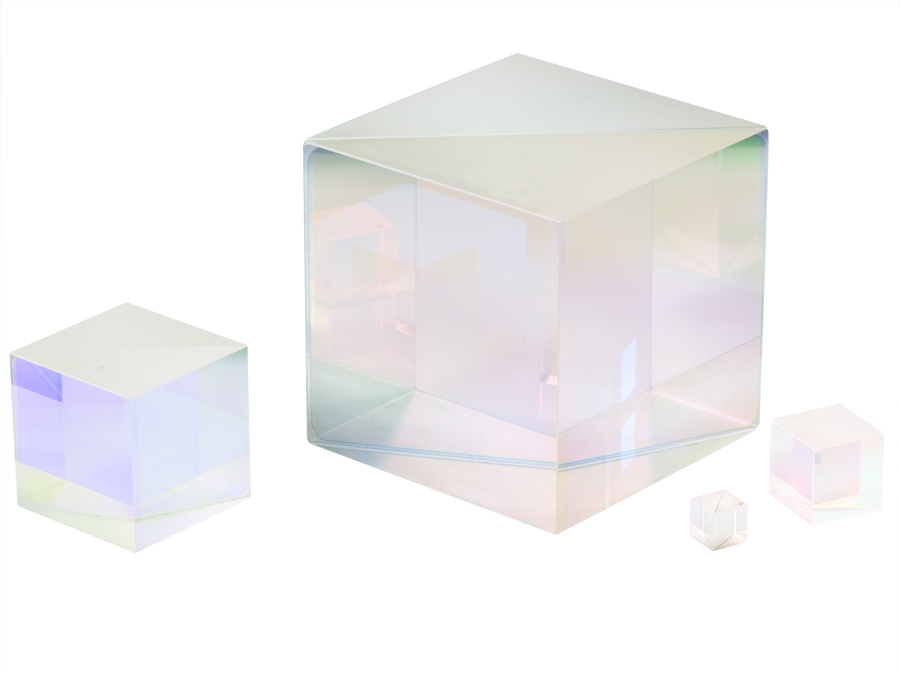
The optical glass surface is coated with one or more layers of thin film. When a beam of light is projected onto the coated glass,
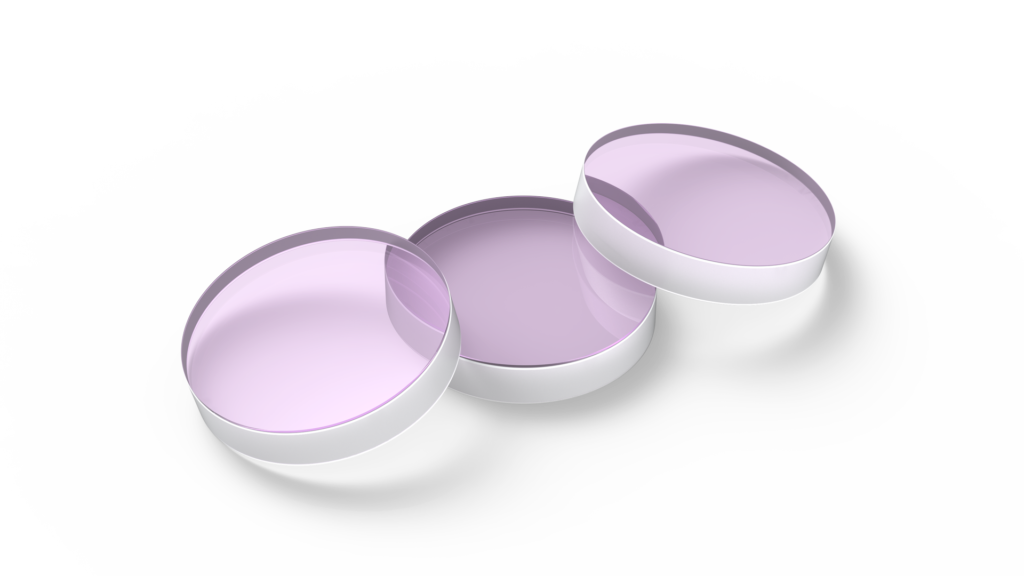
The biconvex lens has two convex surfaces and a positive focal length, which is suitable for application in imaging and multi-element systems. We can make
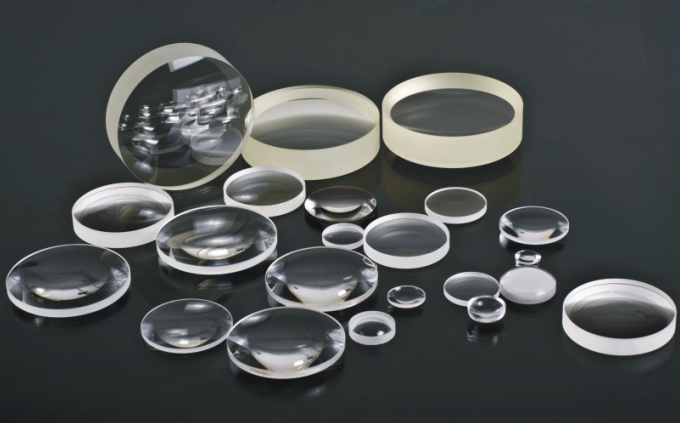
Barium fluoride lenses can be used as spherical lenses with different appearances, such as planoconvex lens (PCX), meniscus lens (MSC), biconvex lens (BCX), and can
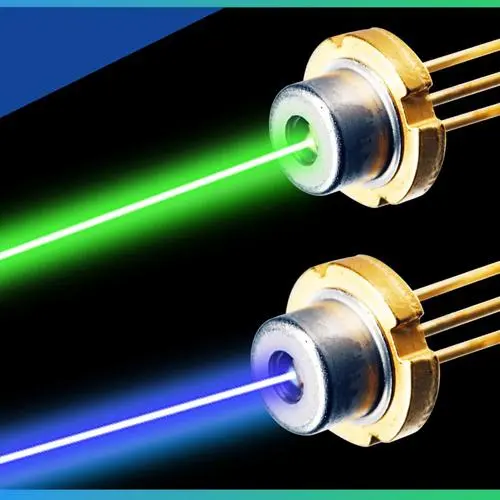
The quarter-wavelength film used for IR infrared coating is 10-20 times thicker than the visible light area. Therefore, although the level of stress and absorption
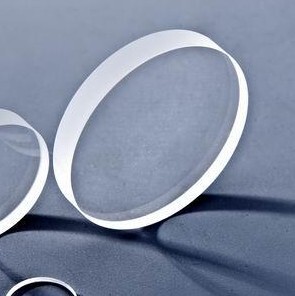
The formation of quartz window sheet is caused by the high temperature viscosity of its melt. It is widely used in the manufacture of semiconductors,

With the continuous upgrading of the optical industry, the application of optical lenses and filters is becoming more and more popular. Quartz glass is the
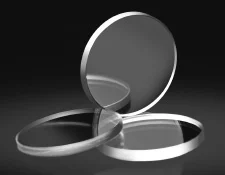
The infrared temperature measurement window is mainly used for the internal temperature measurement of various high-voltage switchgear cabinets, metal armored cabinets, urban ring-network cabinets and
The polarizing beam splitter prism is made of two high-precision right-angle prisms glued on the bevel, and coated with a polarizing beam splitter film on

A filter is a kind of optical filter in the shape of a piece. Usually its transmittance (reflectivity) is related to the wavelength, and some