Product News
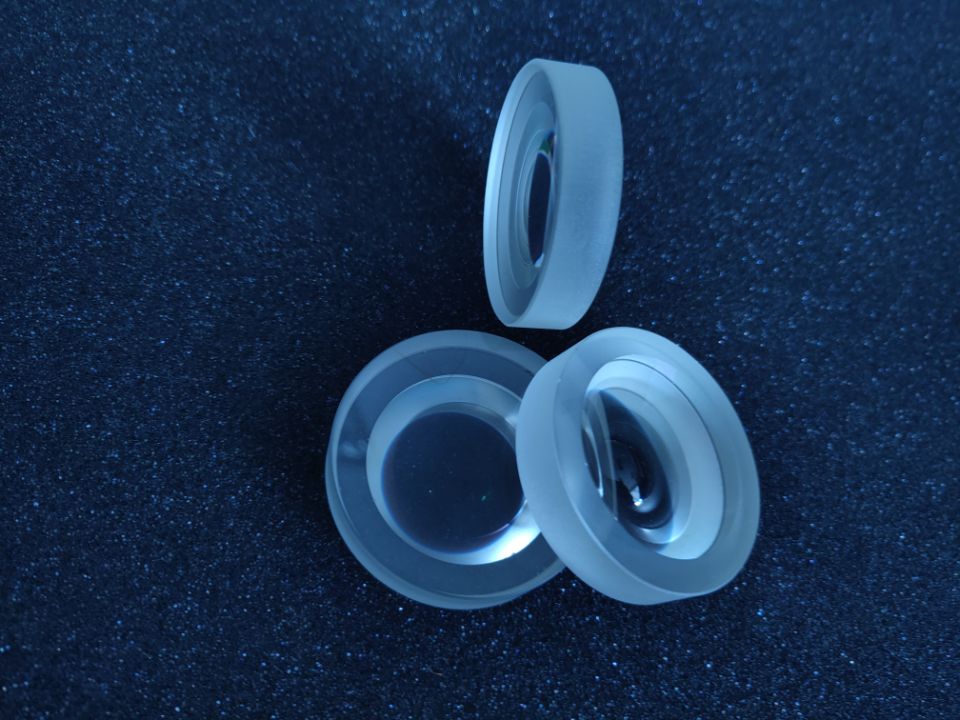
Biconcave lens
A biconcave lens is composed of two inward curved surfaces and has a negative focal length. It is often used to increase the focal length

A biconcave lens is composed of two inward curved surfaces and has a negative focal length. It is often used to increase the focal length
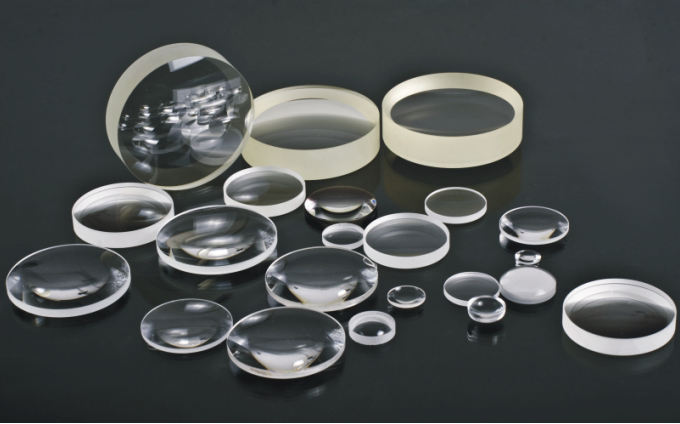
The beam-combining mirror is used to combine the light of two wavelengths into a light path through transmission and reflection. In laser processing, it is
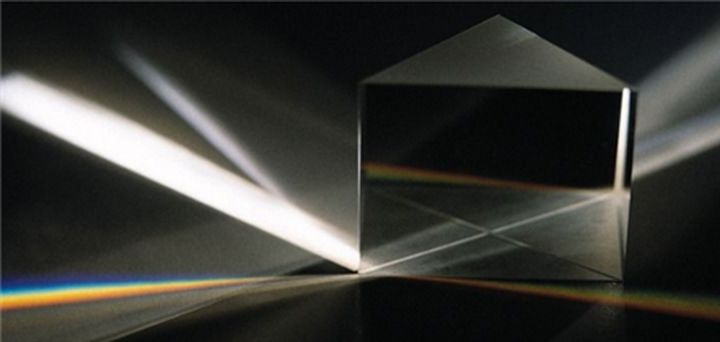
A triangular prism, referred to as a prism for short, is a triangular cylinder formed by the intersection of various planes of the glass transparent
In conventional projectors, it is necessary to separate and combine the light source, change the optical path, optical filter, and use the dichroic mirror. The
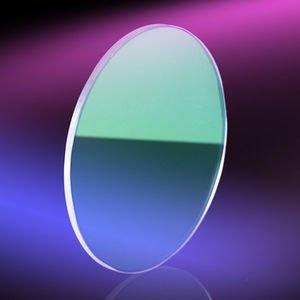
The vacuum evaporation technology of optical thin films mainly includes sputtering method and thermal evaporation method. Next, we will learn about the coating process and
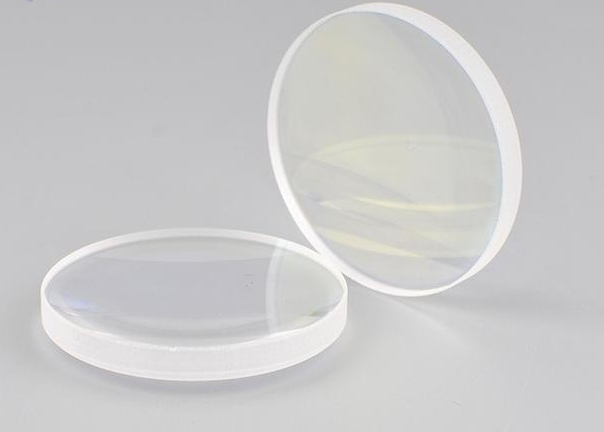
As a kind of excellent optical lens, sapphire lenses has good transmittance in the ultraviolet, infrared and visible light bands, which can meet the requirements
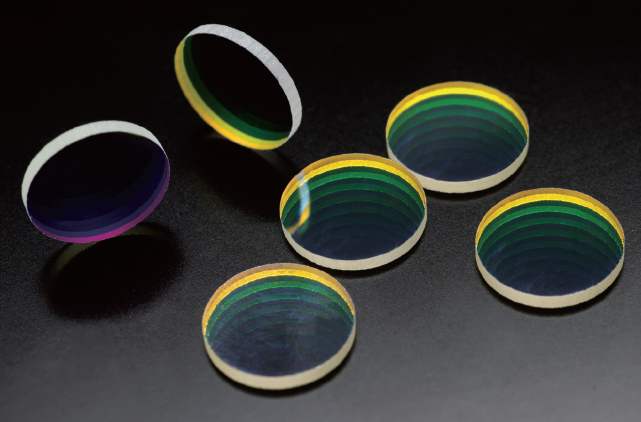
As early as the 1950s, scientists found that the sunlight with wavelength less than 285 nm was almost completely absorbed by the ozone layer during

A spectroscope is an optical element that divides light into two parts. On the contrary, beam splitter lens can make some light pass through the
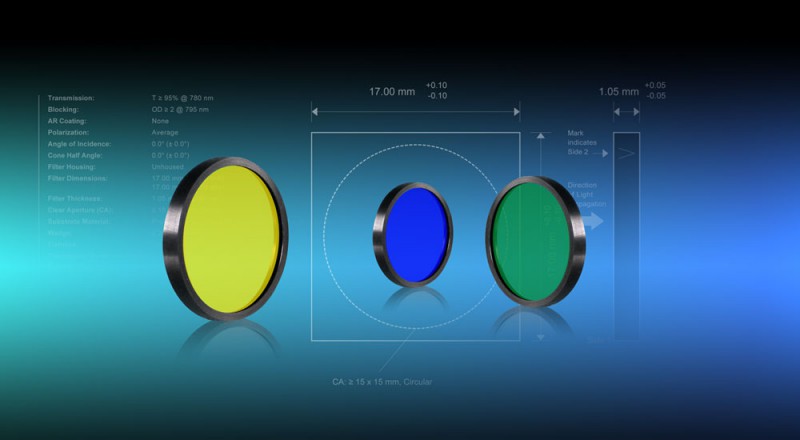
The optical coating is composed of thin layered media. It is a kind of optical medium material that transmits light beam through the interface. It

Bandpass filters are used to transmit the required wavelength range and cut off the unwanted wavelength range. Their design is essentially a thin film formed