Product News
The difference between aspheric lenses and spherical lenses?
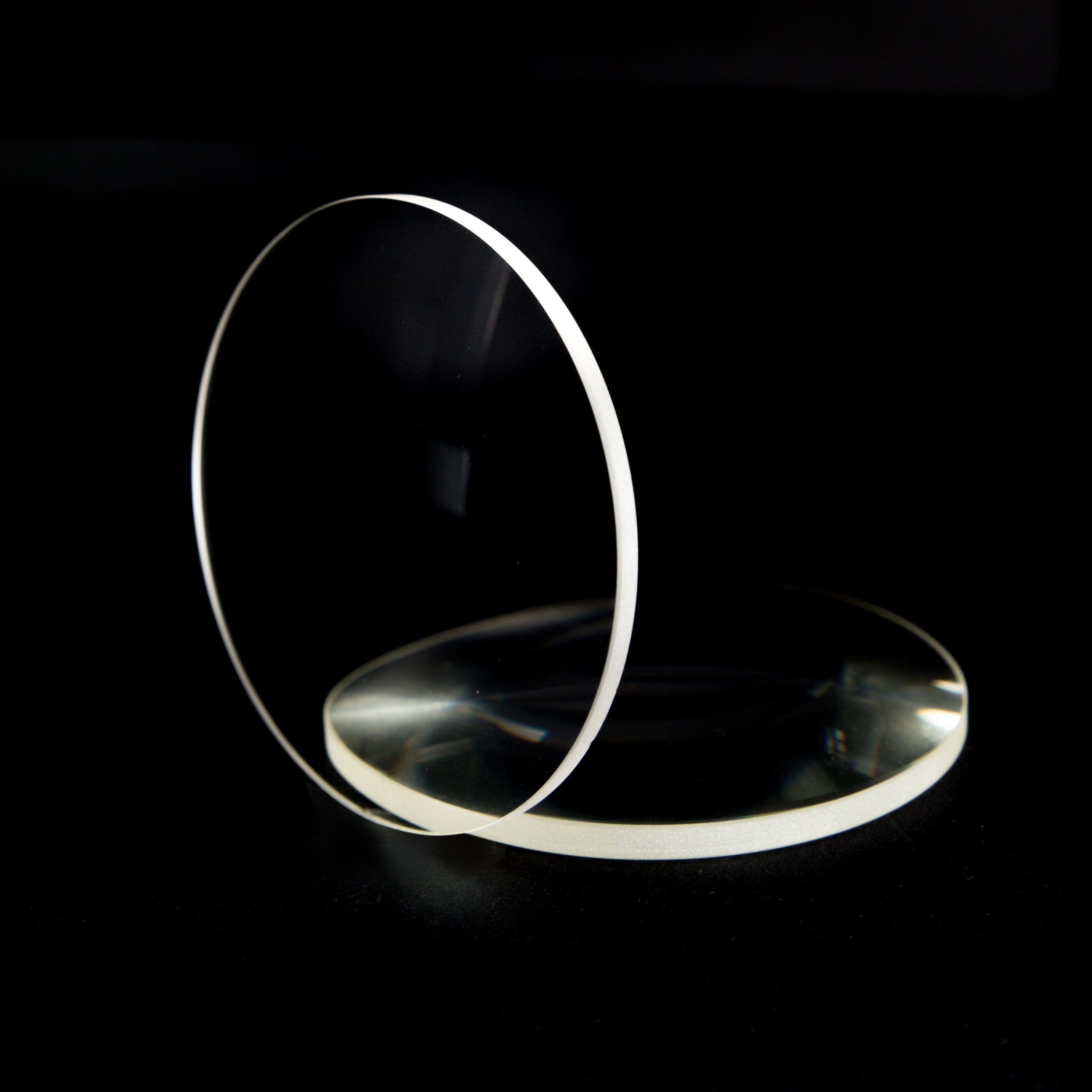
Differences between Aspheric and Spherical Lenses A spherical lens refers to a constant curvature from the center to the edge of the lens, while an

Differences between Aspheric and Spherical Lenses A spherical lens refers to a constant curvature from the center to the edge of the lens, while an
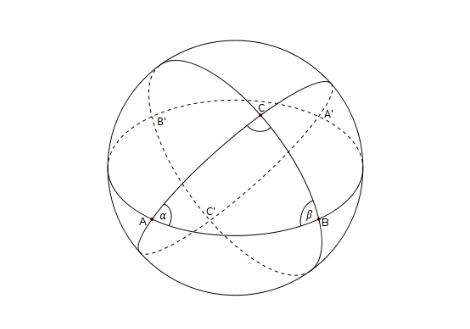
The curvature radius of optical lenses is not well understood by many of you here. Lens is an object that can amplify and reduce the
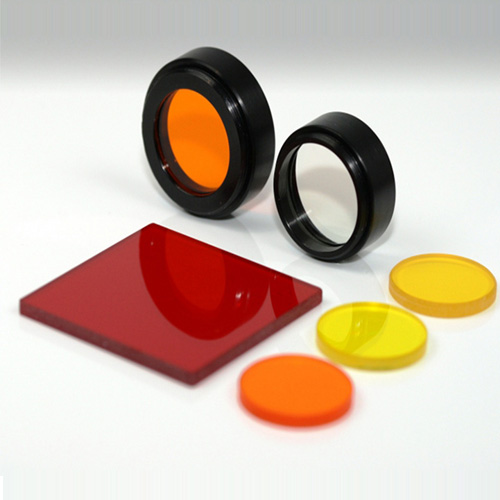
Biochemical filters are the central components of biomedical instruments. In order to ensure the accuracy of diagnosis and analysis, biochemical filters require high narrowband bandwidth
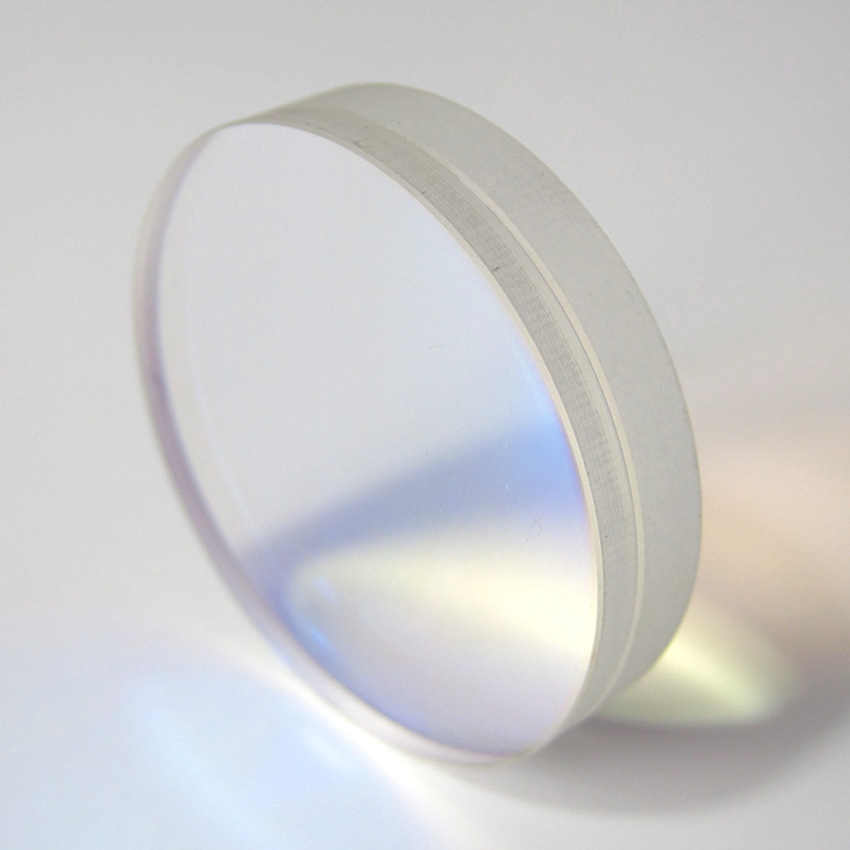
The function of Glued Lens is to eliminate chromatic aberration, requiring at least two materials, such as two types of glass (common lenses) or resin
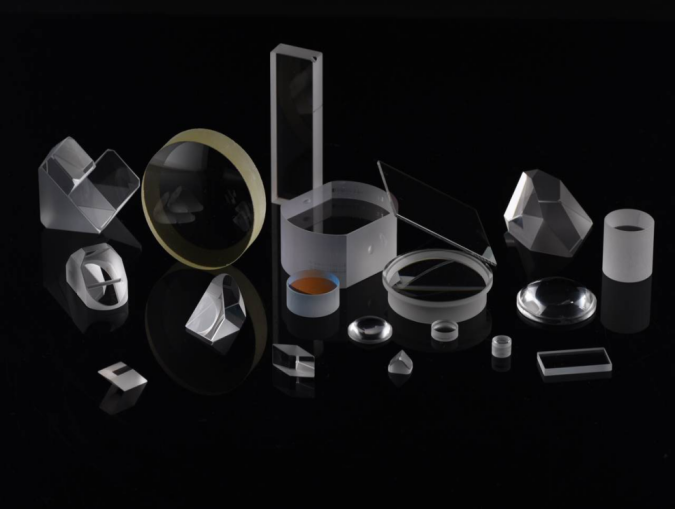
Optical lenses are essential components in machine vision systems, which directly affect the quality of imaging and the implementation and effectiveness of algorithms. Optical lenses
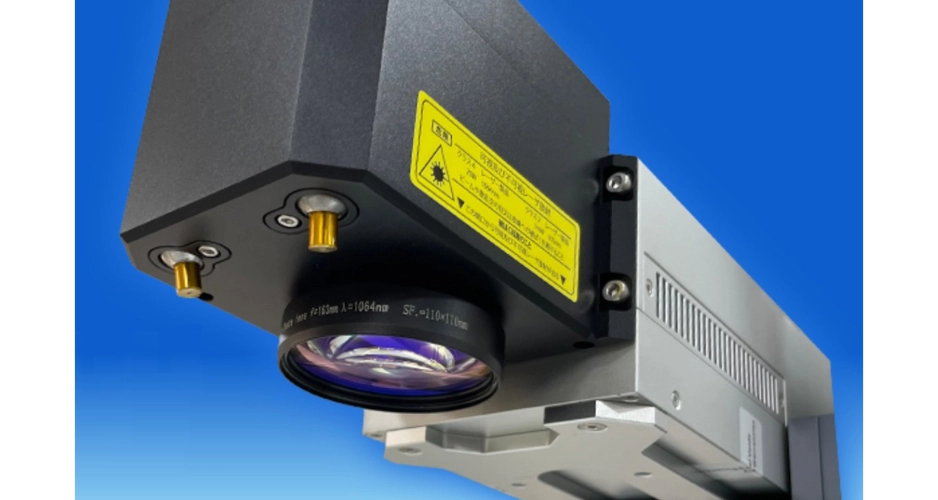
Characteristics of Laser and laser optics Compared with ordinary light, laser has the following characteristics: 1. High brightness 2. Good monochromaticity and directionality 3. Good
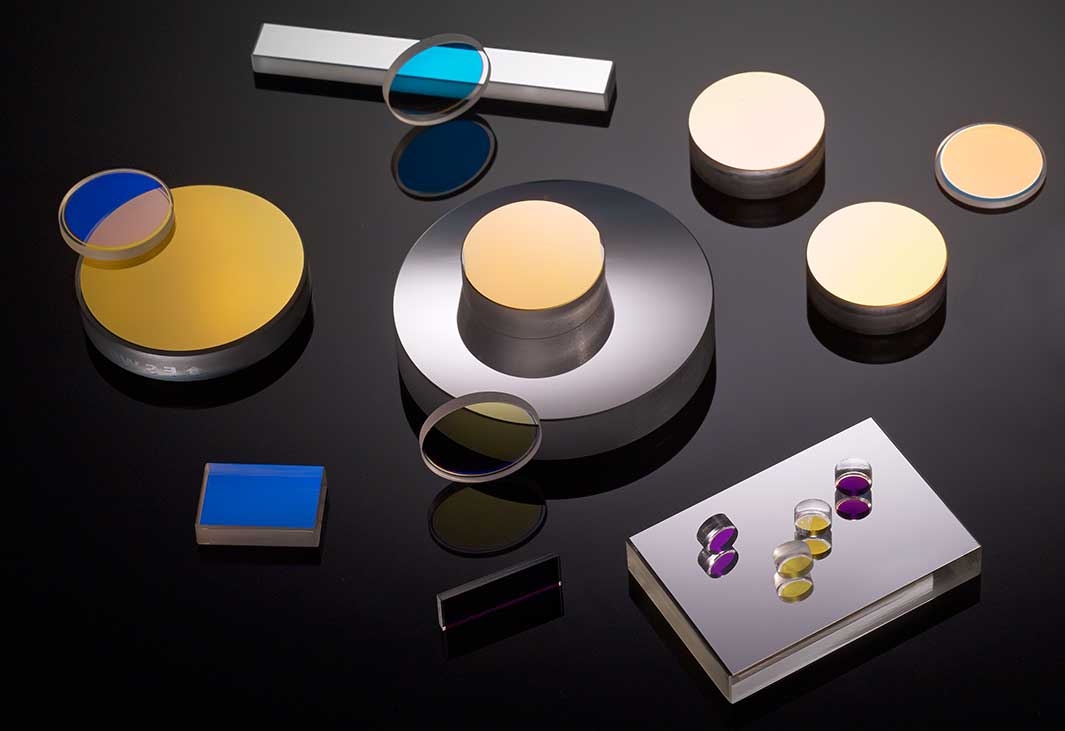
laser protective lenses, as the name suggests, are used to prevent dust and slag splashing from damaging the focusing lens. The focusing lens of a
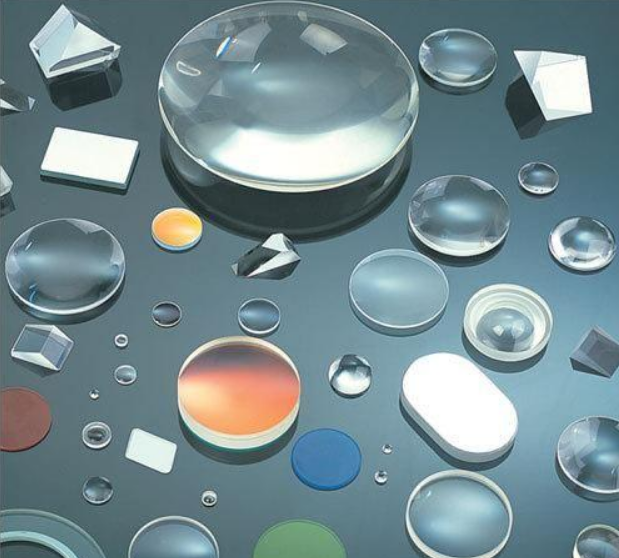
What material is used for optical lenses? A lens is an optical element made of transparent material with a spherical surface. The lens is composed
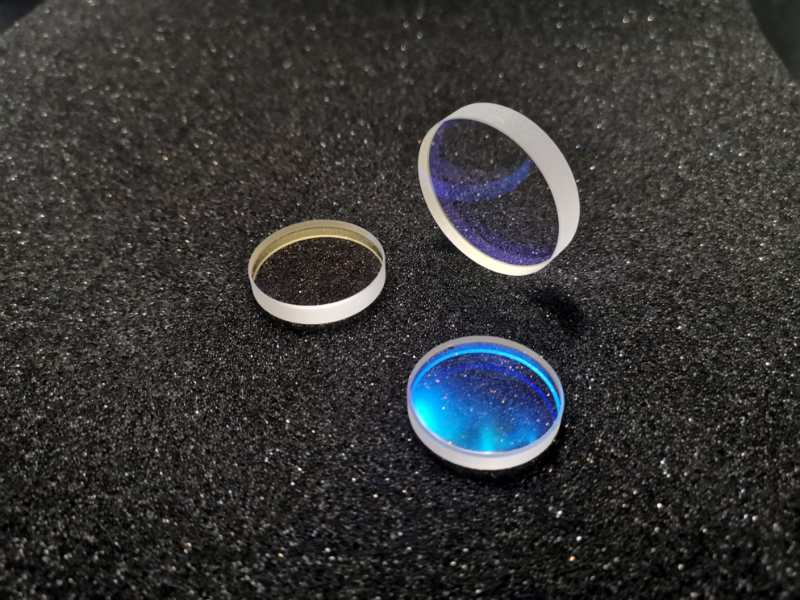
Aspheric lenses generally refers to the lens surface that is rotationally symmetric but aspherical, such as ellipsoid, hyperboloid or paraboloid. The difficulty in machining aspheric
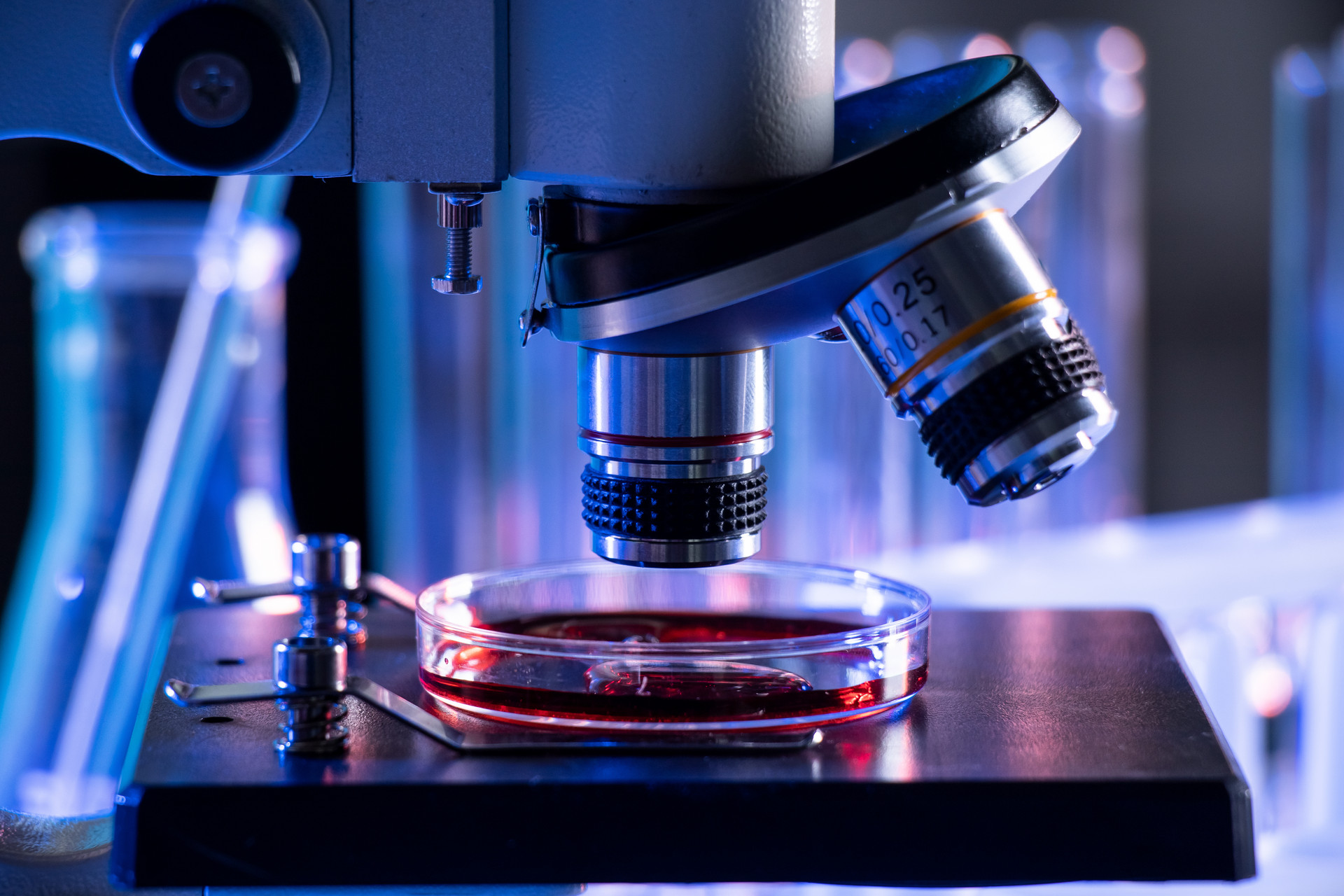
Microscope is very important in the field of biochemical science nowadays. As a optical instrument, the optical lenses in microscopes is very particular. Hanzhong Borisun