Product News
Filters classification
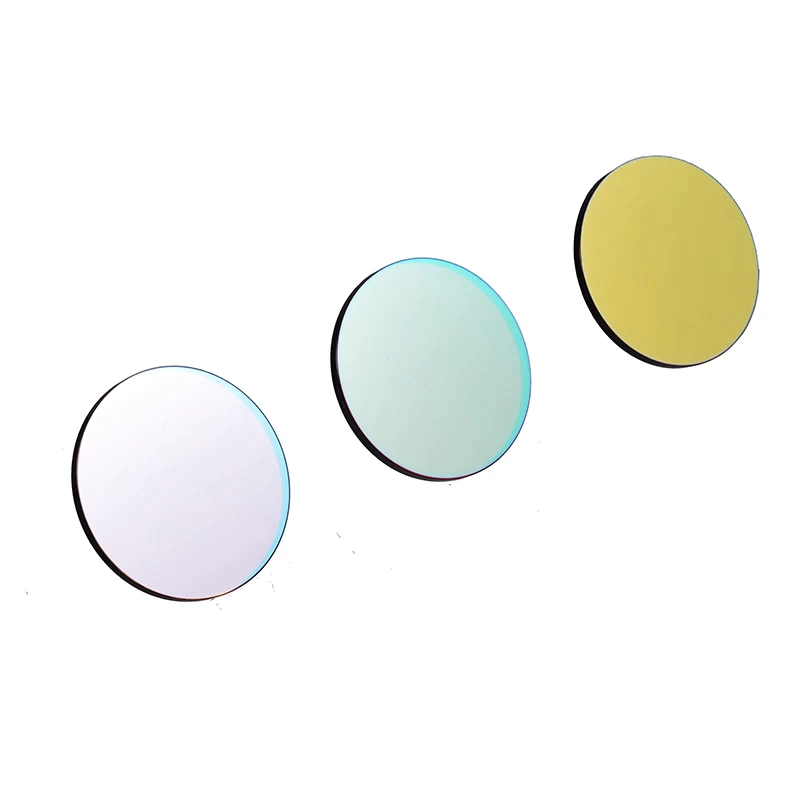
Filters products are mainly classified by spectral band, spectral characteristics, film material, application characteristics, and other methods. Spectral bands: UV filter, visible filter, infrared filter;

Filters products are mainly classified by spectral band, spectral characteristics, film material, application characteristics, and other methods. Spectral bands: UV filter, visible filter, infrared filter;
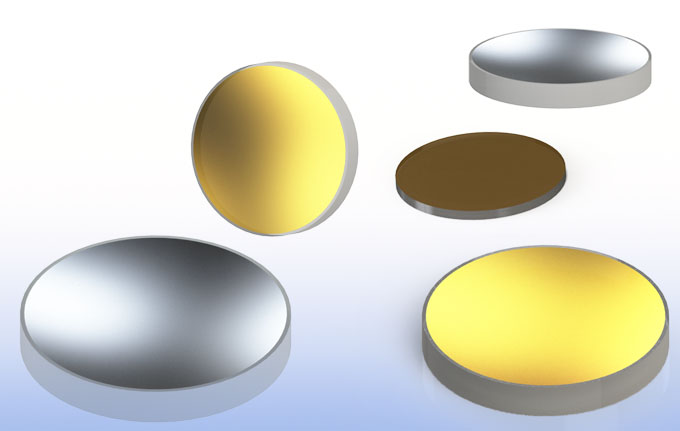
The characteristics of reflectors: 1. Suitable for convenience stores, large supermarkets, road turns, factories, and any right angles in parking lots. 2. Not easily worn
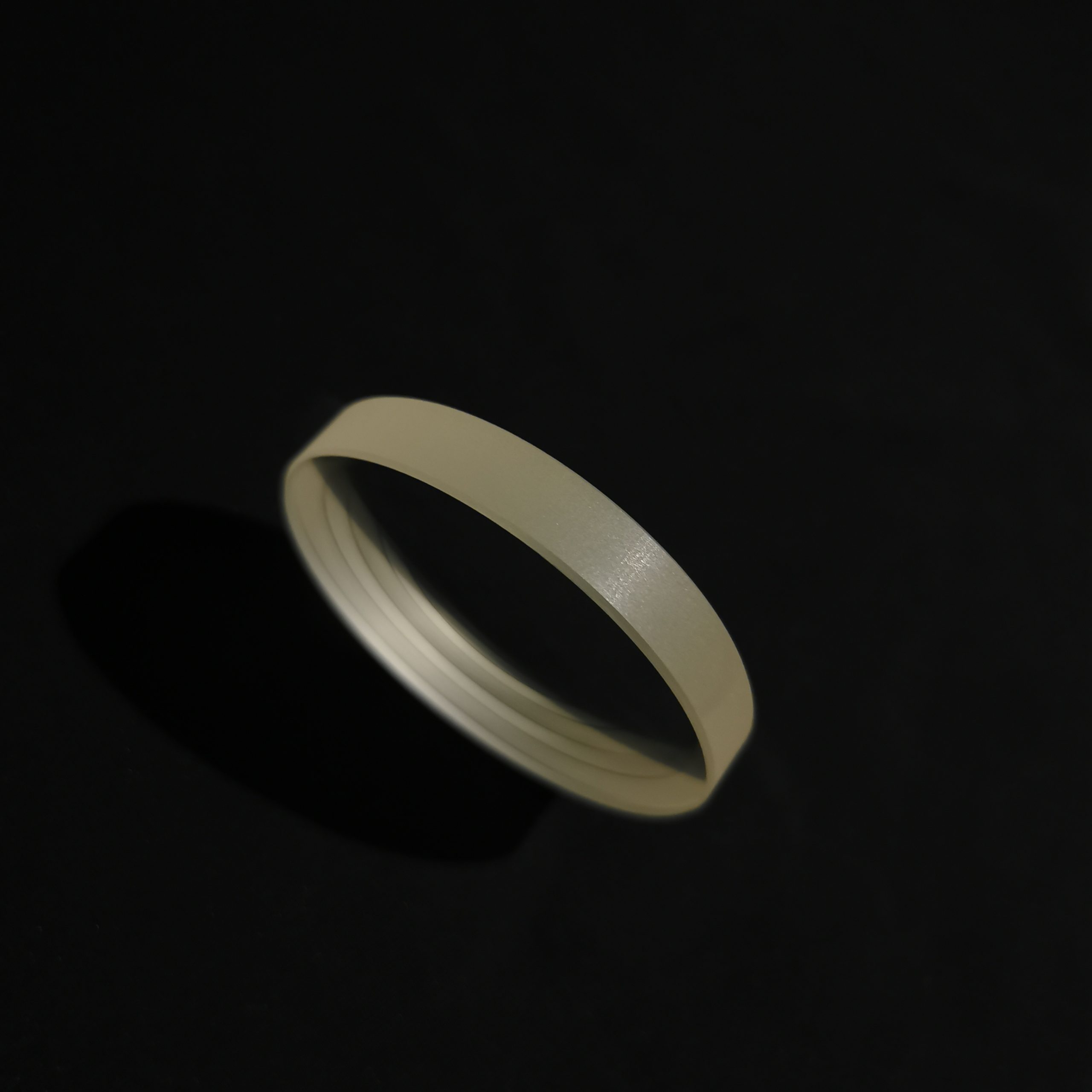
Spherical lenses are divided into convex and concave lenses Convex lens A convex lens is a lens with a thicker center and thinner edges. Convex
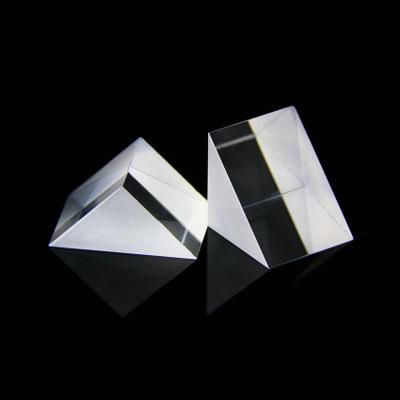
A prisms is a polyhedron made of transparent materials such as glass, crystal, etc. It is widely used in optical instrument. Prisms can be divided
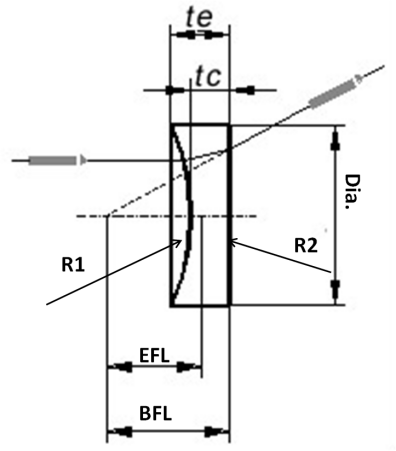
Concave lenses have a wide range of applications in optical lenses. A concave lens, also known as a negative spherical lens, has a thin center
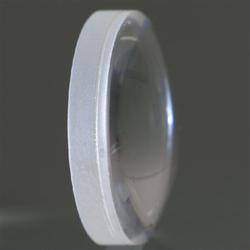
Due to the fact that achromatic lenses focus colors at the same point, they allow users to fully focus the image. Compared to uncorrected singlet
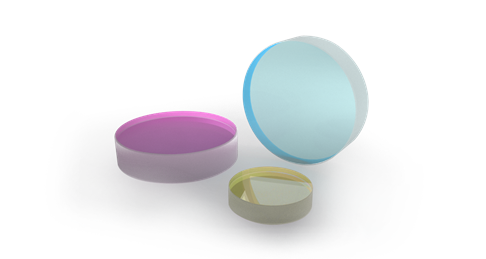
Basic concepts and parameters of optical filters 1. Filter differentiation by spectral band: Filters are divided into ultraviolet filters, visible filters, near-infrared filters, infrared filters,
optical coating are ubiquitous in our daily lives, from precision and optical equipment, display devices to optical thin film applications in daily life; For example,
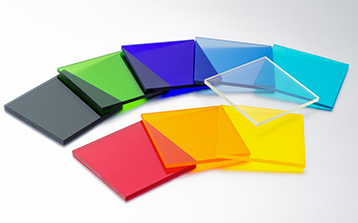
Generally speaking, narrow bandwidths can only pass through light with a peak wavelength of a few nanometers, which is much less than ordinary filters; Narrowband
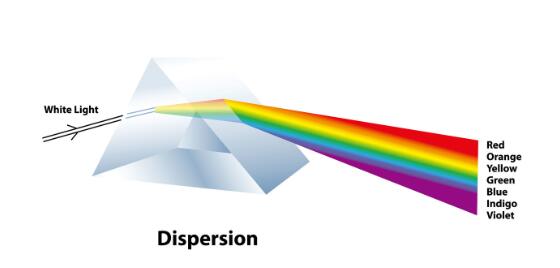
An optical prism is a piece of glass or other transparent material cut at a precise angle and plane in optical devices, which can be