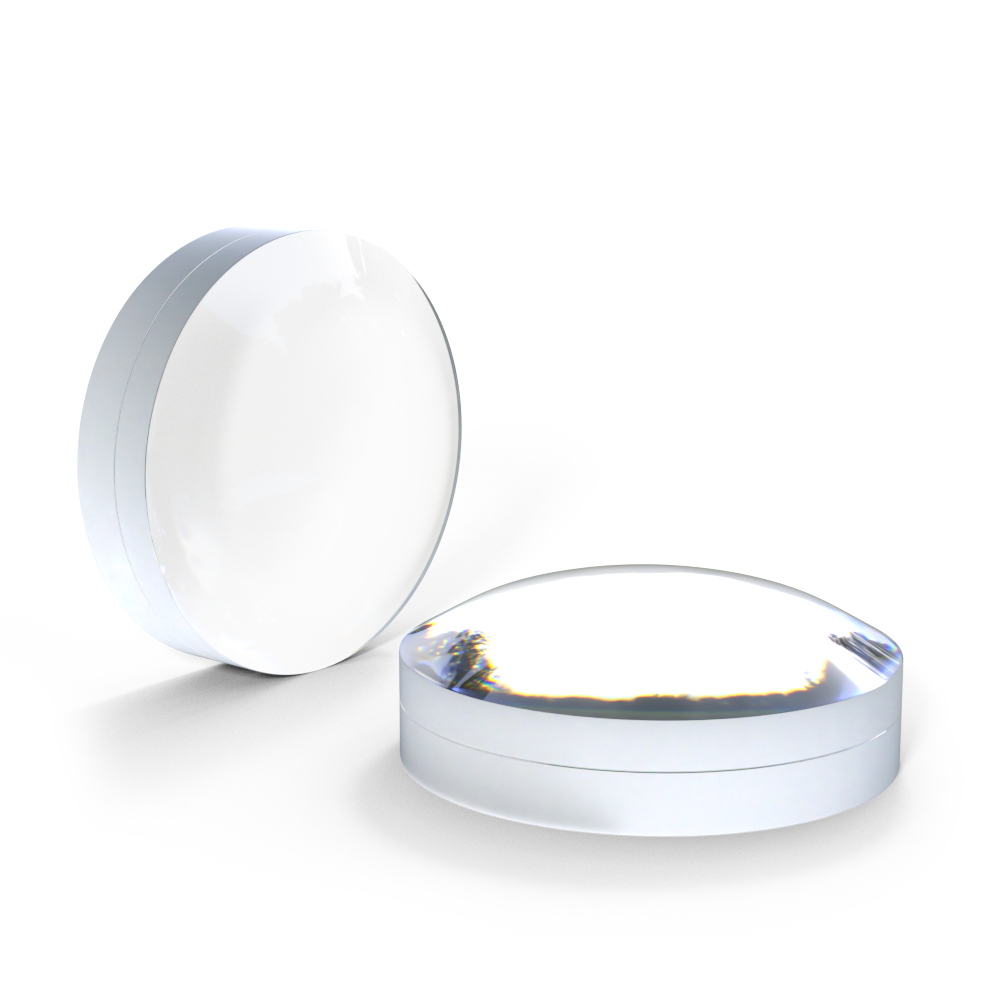
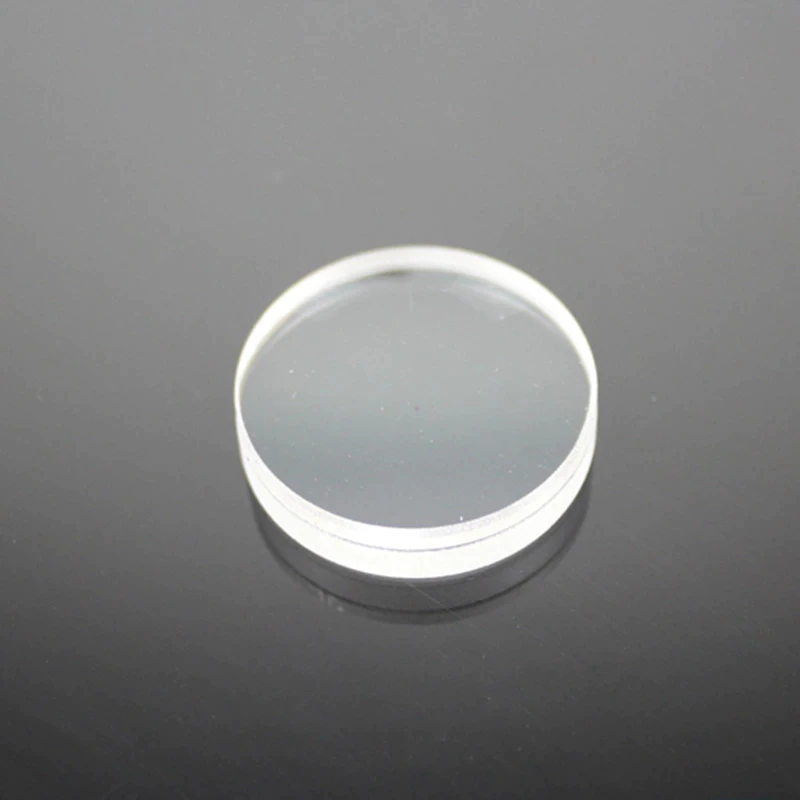
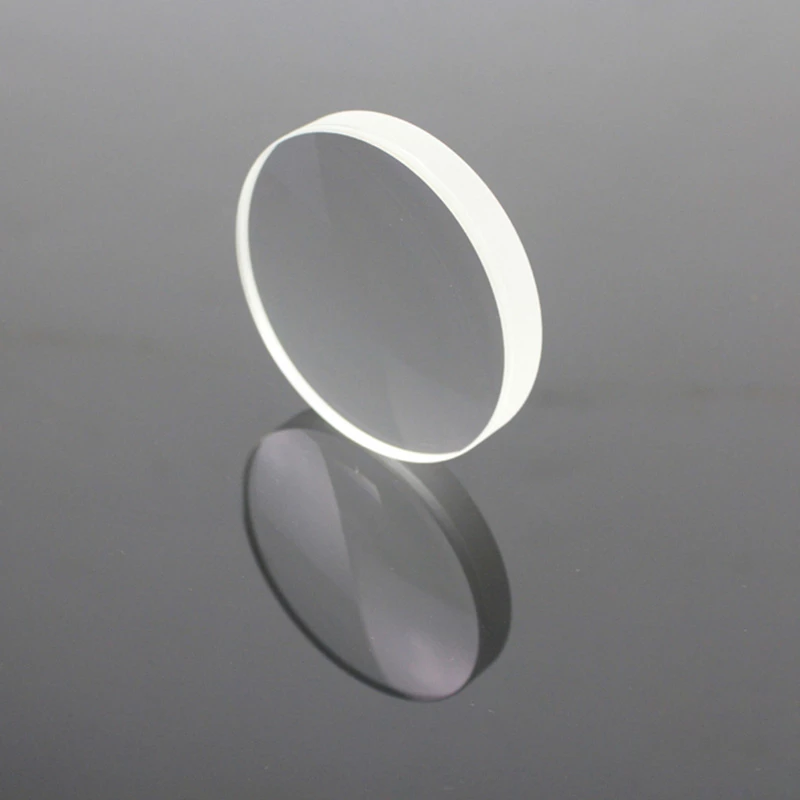
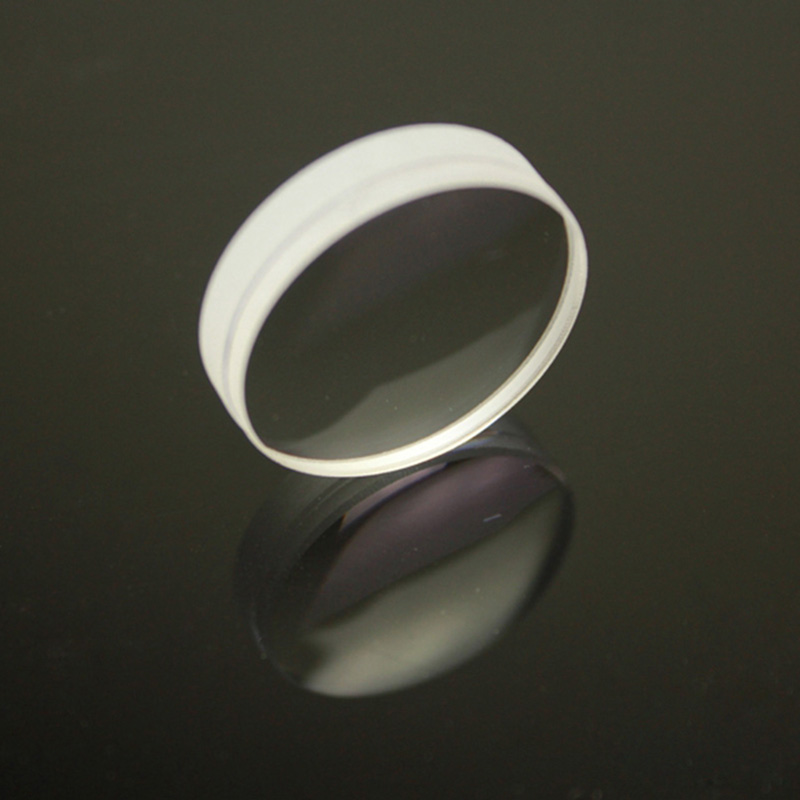
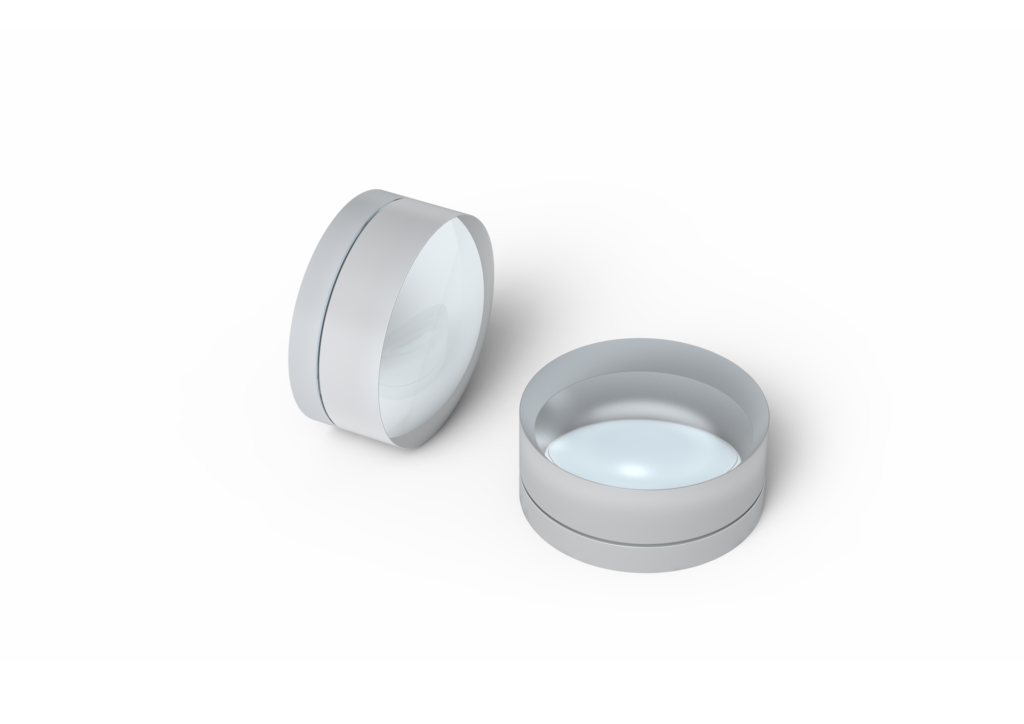
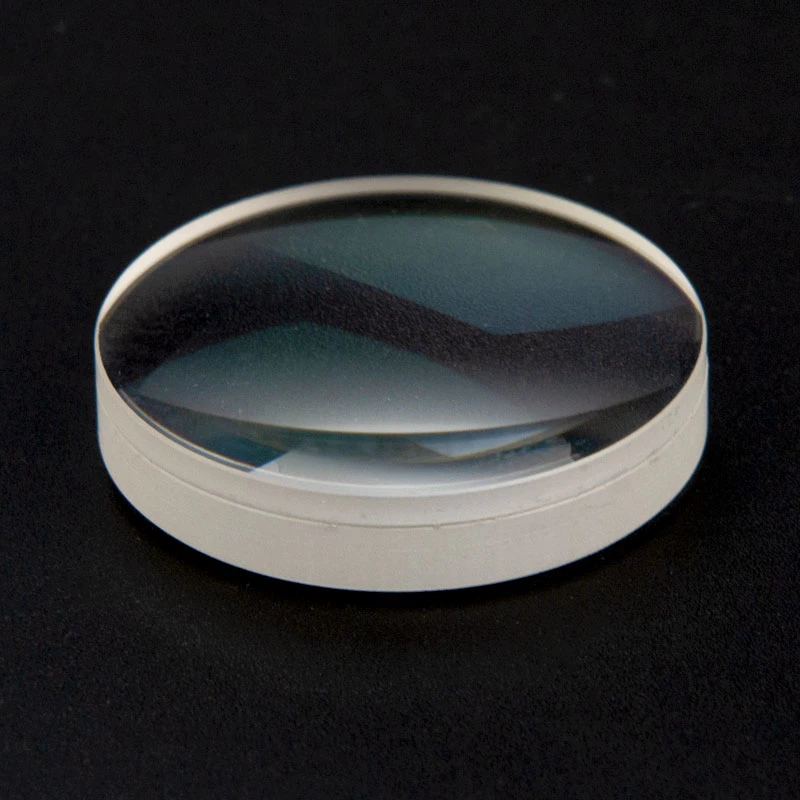
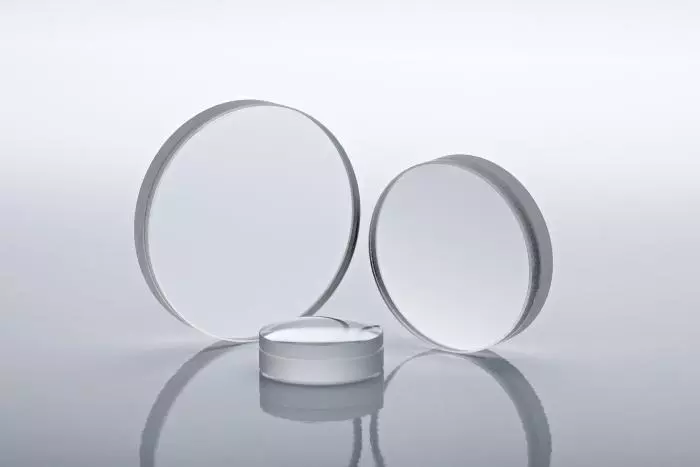
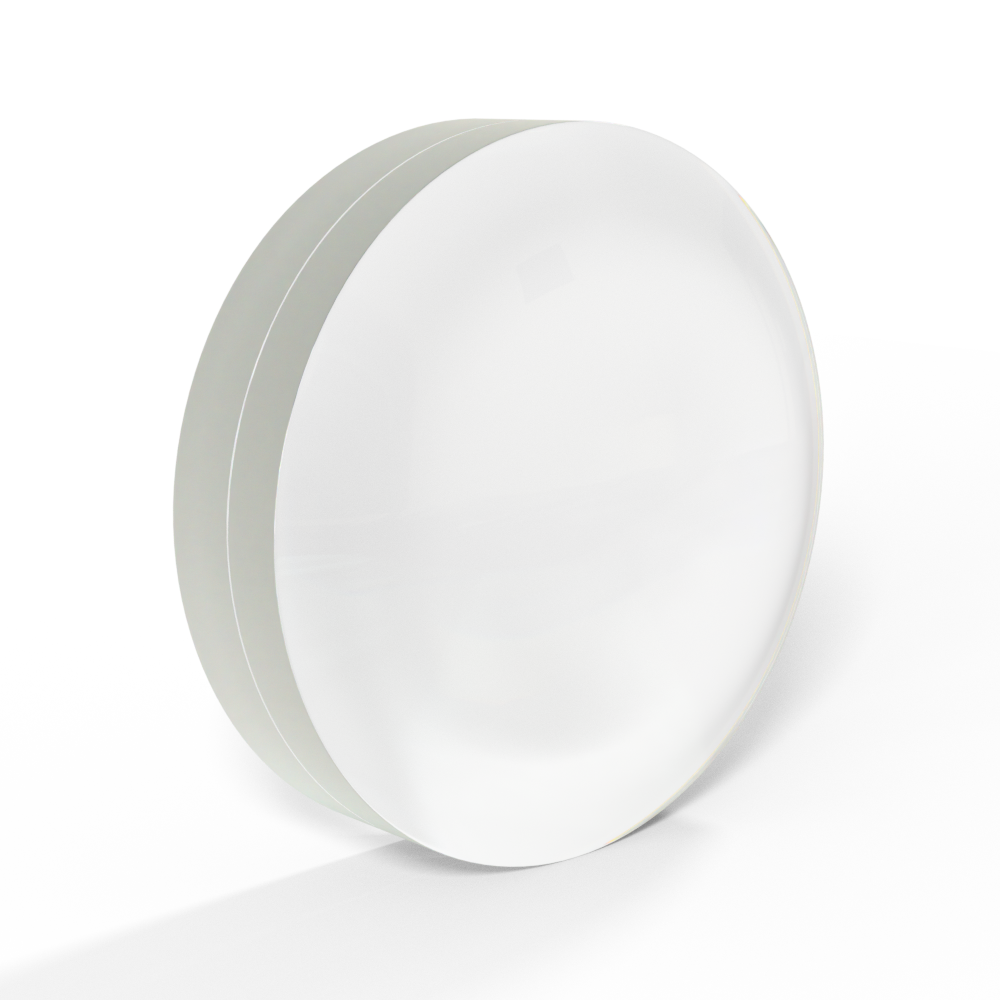
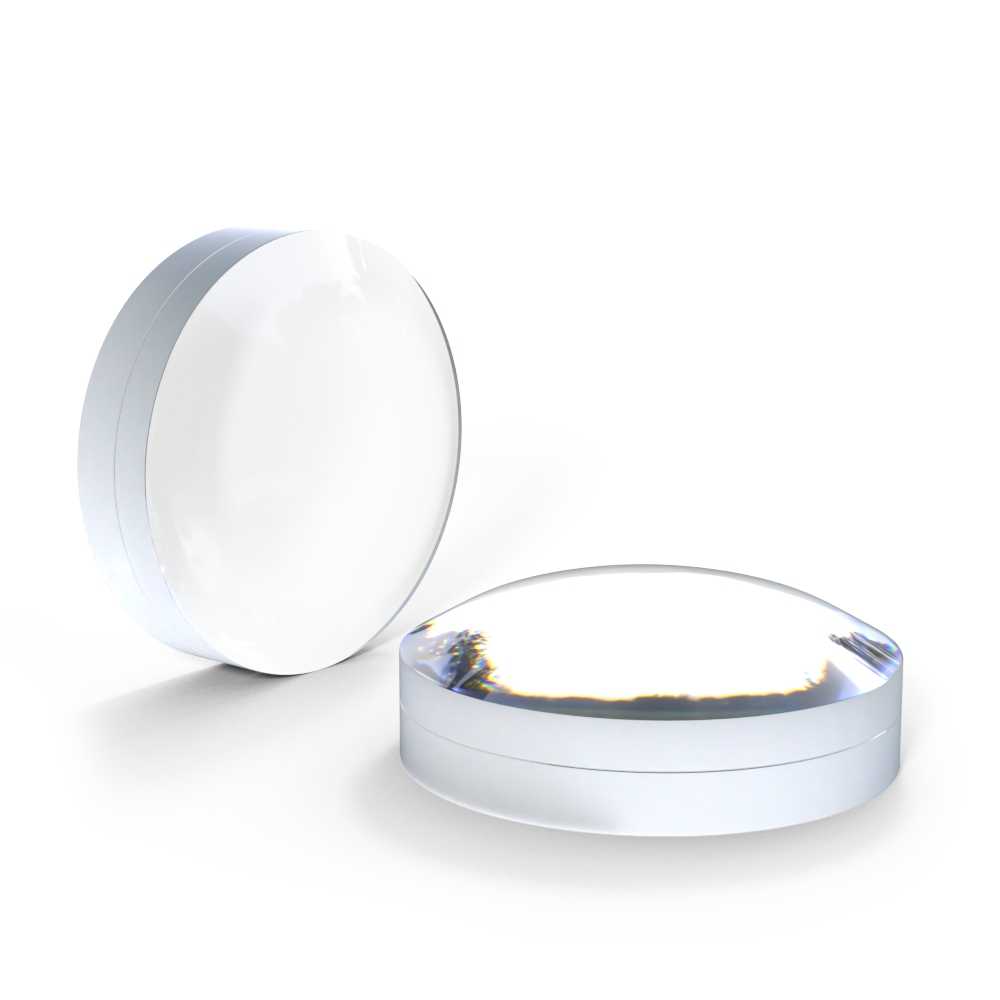
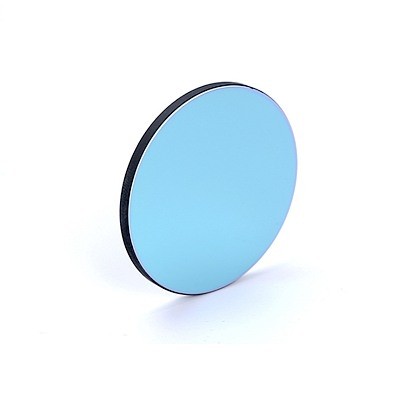
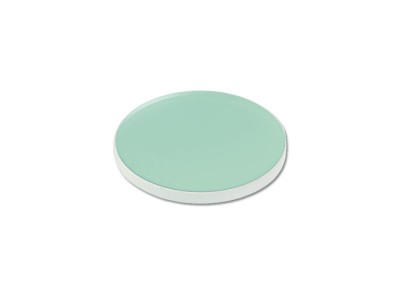
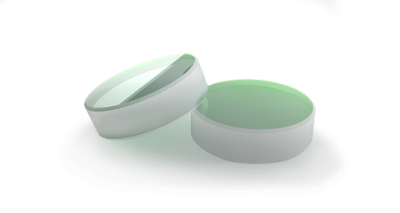
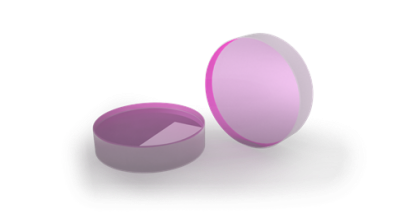
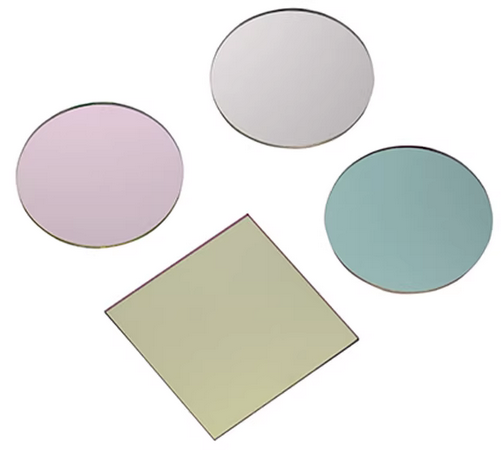
Achromatic lenses, also known as cemented doublet lenses, are made by cementing together two lenses of different refractive indices and dispersion rates. Compared to optical systems using a single lens, achromatic lenses provide a clearer image, further enhancing the lens’s optical performance. Achromatic lenses are suitable for various applications such as fluorescence microscopy, image detection, and spectroscopy. Compared to monolithic lenses, achromatic lenses can form smaller light spots.
There are two types of cemented doublet achromatic lenses: positive achromatic lenses and negative achromatic lenses.
Substrate Material
H-K9L, Quartz
Diameter
5-500mm (customized)
Diameter Tolerance
+0.0/-0.1 mm
Thickness Tolerance
±0.1 mm
Focal Length Tolerance
±2%
Clear Aperture
>90%
Surface Quality
60/40-20/10
Surface Accuracy
λ/4- λ//8
Lens Centering Error
<3'
Coated
Uncoated, VIS, NIR, SWIR
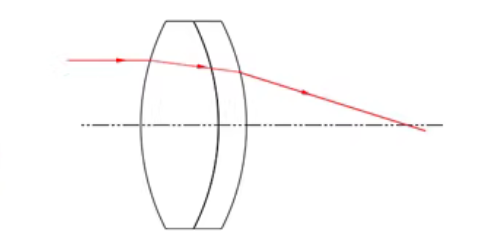
Positive Doublets Achromatic Lenses
Positive cemented achromatic lens is an achromatic cemented doublet lens with a positive focal length, used to correct chromatic aberration and can reduce or eliminate chromatic aberration to a great extent.
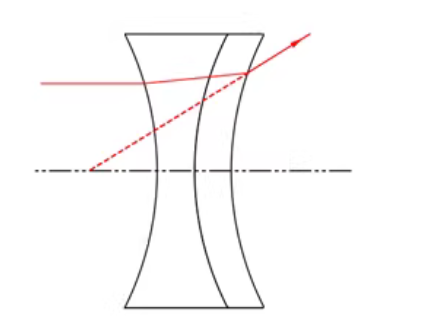
Negative cemented achromatic lens is an achromatic cemented doublet lens with a negative focal length. It is used to correct chromatic aberration and can reduce or eliminate chromatic aberration to a great extent.
Material: Combination of two materials;
Available sizes: 12.5mm; 12.7mm; 25mm; 25.4mm; 40mm
If you need to order in stock or custom Doublets Cemented Achromatic Lenses, please kindly contact our sales team:
info@borisuns.com/ jessie@borisuns.com