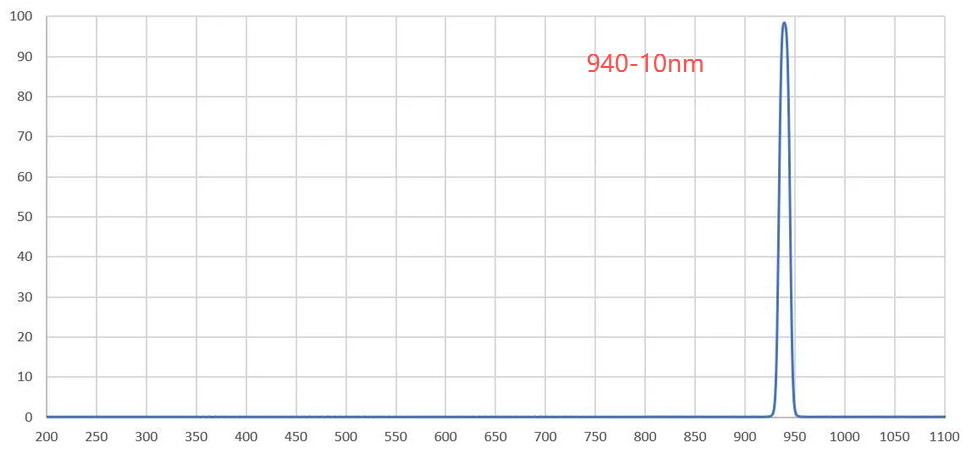
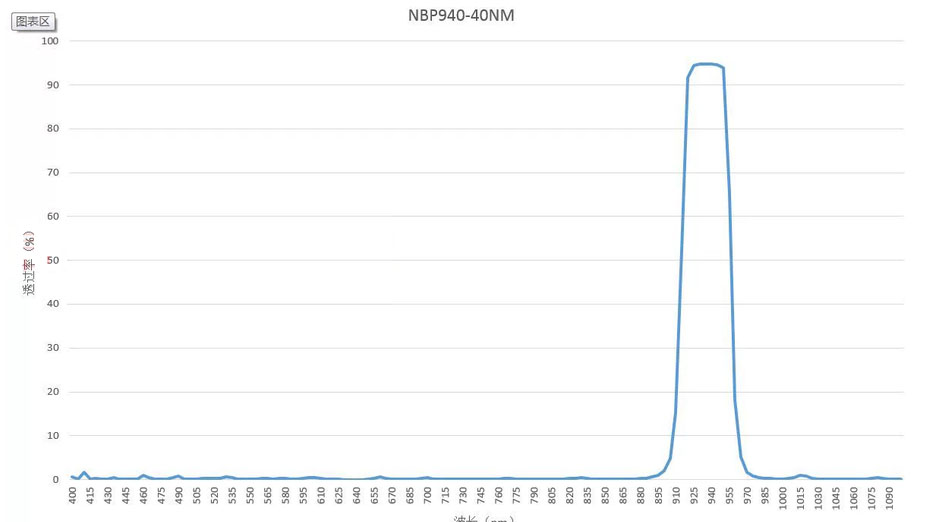
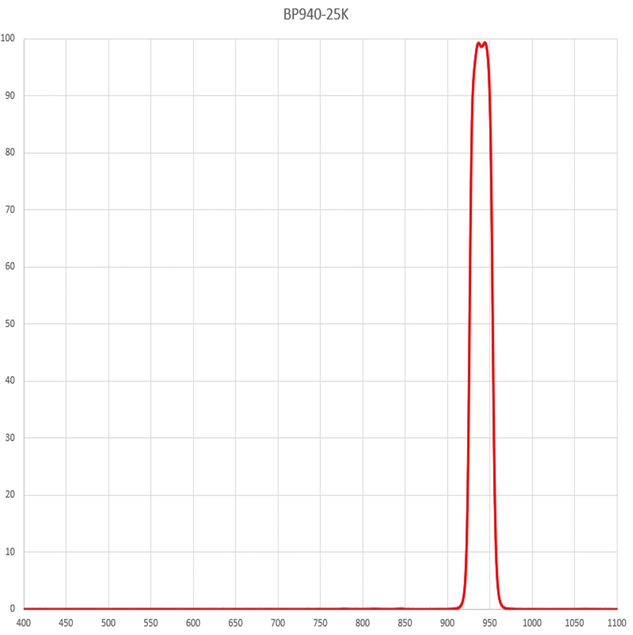
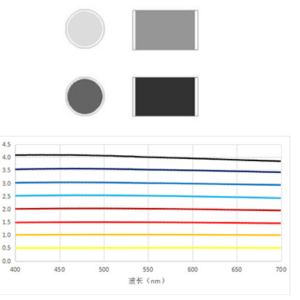
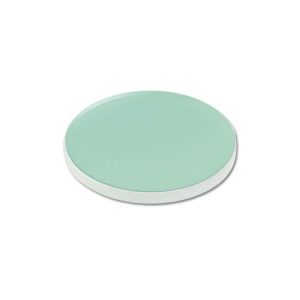
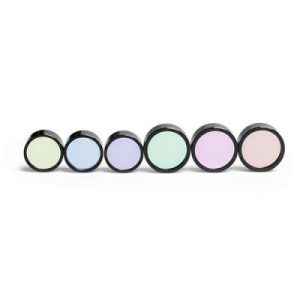
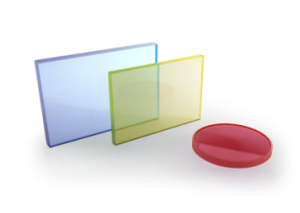
3D Sensing Filter, also known as 3D camera narrowband infrared filter or biometric filter; Mainly equipped with structured light, iToF indirect flight time, dToF single point/area array ranging, VCSEL near-infrared active lighting system.
Three major 3D sensing solutions
Structured Light (FaceID, Front Face Recognition)
Standard wavelength: 940 nm
IToF indirect flight time (mobile phone rear ToF, AR, sweeping machine, industrial 3D camera)
Paired with a color camera inside the 3D module, it filters out infrared interference to ensure normal color.
3. Dicroic (transceiver module)
Reflecting VCSEL illumination beam; Transmitting and reflecting signals to image sensors, commonly used in miniaturized modules.
Inventory Parameters with 450nm Dichroic Short Pass Filter
The above models are available in stock for you to choose from, if you need custom Optical Dichroic Filters or bulk orders, please contact our sales team: info@borisuns.com