Gel Imaging Filters
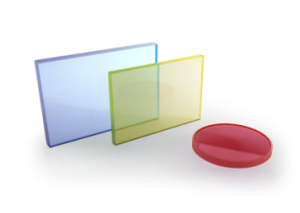
The filter of the gel imager is installed in the front end of the CCD camera lens, emitting fluorescence only through the gel dye, powerfully blocking the UV excitation light source, stray light and background scattered light, reducing the background noise, greatly improving the strip contrast, and protecting the camera sensitive chip from UV light burns.
Optical path structure
• Bottom transmission light source: 302nm UV/470nm blue light (excited gel dye)
• gel sample: stimulated visible fluorescence
• Lens front filter: emission bandpass filter (core component)
• Special models: chemiluminescence mode without excitation light source, can leave vacant filter positions
Mainstream standard filter (dye matching comparison table)
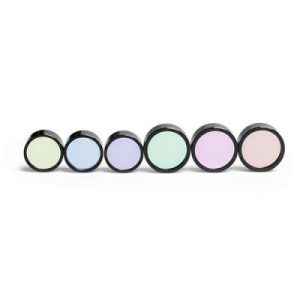
| Filter model | Band specifications | Compatible dye (nucleic acid/protein) | Usage scenarios |
|---|---|---|---|
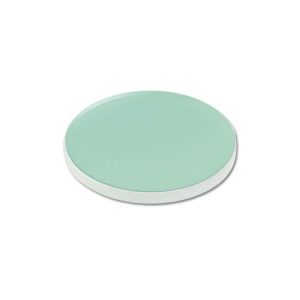
| Green filter | 525/50nm, 537/35nm | SYBR Green I, SYBR Safe, GelGreen, SYBR Gold, GFP | conventional DNA nucleic acid gel, blue light excitation gel |
| Orange/red filter | 605/70nm, 590/55nm | EB, GelRed, BuRed, SYPRO Orange | EB nucleic acid gel, red fluorescent protein band |
| Deep red filter | 630/60nm, 620/40nm | SYPRO Ruby, Texas Red, far red protein labeled | gel multiple fluorescence imaging |
| Blue filter | 460/40nm | Hoechst, DAPI, blue fluorescent dye | UV excited DNA (365nm light source) |
| Fully transparent vacancy | unfiltered | chemiluminescence (WB development) | with no excitation light, specifically designed for chemiluminescence imaging |
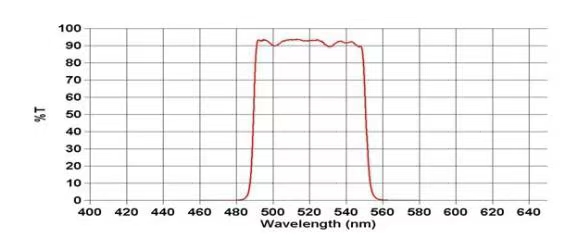
Key technical parameters
1. Center wavelength CWL: matches dye emission peak with an error of ± 2nm
2. FWHM: 30~100nm
Narrowband 30~40nm: low abundance trace samples, clean background
Broadband 60-100nm: Conventional experiment, high luminous flux, fast exposure
3. Peak transmittance Tmax: ≥ 85%, high-end IBS coating can reach 90%+, stronger signal
4. Cut off depth OD: Universal OD4; Micro fluorescence detection requires OD6
OD4: Attenuation of stray light by ten thousand times, sufficient for conventional laboratories
OD6: Attenuation of stray light by millions of times, extremely low background, dedicated for weak protein bands
5. Base material selection
Visible light channel (green/red glue): D263T, BK7 high borosilicate glass, high cost-effectiveness
UV channel (DAPI/Hoechst): JGS1 fused silica, deep UV high permeability
6. Universal dimensions
Circular diameter of 37mm, 42mm, 45mm, and 52mm; Square 50 × 50mm, suitable for Bole, Tianneng, Junyi, Vilber full series gel imaging camera
Three Types of Supporting Auxiliary Filters
1. UV excitation filter (transmission stage light source end)
Model ZWB1/UG11290~350nm bandpass, only transmits 302nm ultraviolet light, filters white light impurities, and is installed in front of the bottom light source of the ultraviolet transmittance meter.
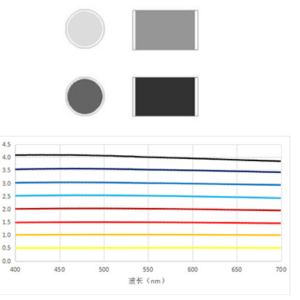
2. White light neutral density ND filter
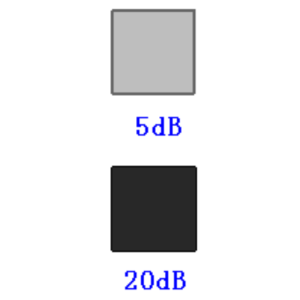
Coomassie Brilliant Blue and Silver Stained Protein Gel (visible light staining) attenuate strong light and prevent CCD overexposure.
3. Cut off Long Pass Filter LP
Old style simple imaging devices have a wide bandwidth and a lot of stray light. Currently, scientific research equipment is basically eliminated and only used as teaching instruments.
There are some stock models available for selection above, if you need custom Optical Gel Imaging Filters or bulk orders, please contact our sales team:
info@borisuns.com
Related Products