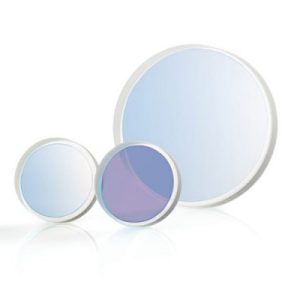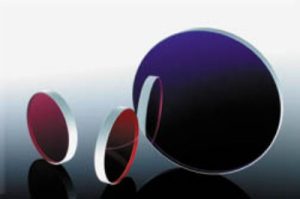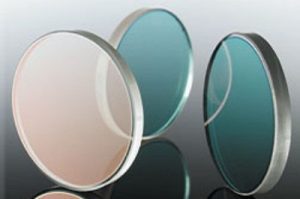
Hot Mirror/Infrared Cut Filters
Function: High penetration of visible light, infrared reflection
Applications: surveillance systems, infrared devices, automatic optical inspection equipment
Cold Mirror/Infrared High-transmittance Filters
Function: Highly transmissive to infrared light, reflective to visible light
Applications: surveillance systems, infrared devices, automatic optical inspection equipment
Narrowband Filters
Function: Highly transmissive within a specific wavelength band, with reflection on both other sides
Applications: surveillance systems, medical equipment, infrared devices, automatic optical inspection equipment
Bandpass Filters
Function: Limit high transmittance to a certain range of wavelength band, and reflect others
Applications: surveillance systems, medical equipment, infrared devices, laser detection equipment
UV Filters
Function: High UV transmittance, reflection or absorption
Applications: UV exposure equipment, UV curing, UV excitation or reception equipment
Attenuators
Function: Reduce light transmittance and control the percentage of light transmittance
Applications: Optical equipment, laser devices, automatic optical inspection equipment
Dichroic Mirrors
Function: Capable of separating light beams and changing their direction
Applications: Stage lighting, laser devices, infrared devices
Absorption Filters (colored glass)
Function: Having absorbed light energy, it achieves the function of filtering light
Applications: optical equipment, medical devices, ultraviolet devices, infrared devices
Beauty Instrument Filters
Function: Prevent harmful wavelength light sources from reaching the human body
Applications: medical equipment, hair removal, skin whitening, freckle removal instruments and equipment
Beam Splitter
Function: Spectral analysis of specified wavelength transmission/reflection ratio
Applications: Optical equipment, infrared devices, automatic optical inspection equipment
Reflectors
Function: Highly reflective at specified wavelengths, with a reflectivity of 99.5%-99.8%
Applications: Optical equipment, laser devices, automatic optical inspection equipment
Color Filters
Function: Passing monochromatic light
Applications: Optical equipment, laser devices, automatic optical inspection equipment
Fluorescence filters
Function: Fluorescent object response excitation, emission
Applications: Optical equipment, laser devices, automatic optical inspection equipment
Polarizing Lens
Function: Form different chromatic aberrations of light sources through rotation
Applications: camera filters, polarized sunglasses, polarized physics textbooks
Anti-reflective Lens (anti-reflective coating lens)
Function: Increase light transmittance and reduce reflection
Applications: camera filters, optical lenses, optical instruments
Optical Filters is an optical device used to select the desired radiation wavelength band. A common characteristic of filters is that no filter can make the imaging of celestial bodies brighter, as all filters absorb certain wavelengths, thereby making objects appear darker. With the development of technology, the application scope of filters is becoming increasingly broad, and the requirements for products are also increasing. The above are the main functions and application areas of filters.